Shinya YAMANAKA
Yamanaka Factors ( c-Myc, // Oct4 // Sox2 // KLF4 )
Yamanaka Factors ( c-Myc, // Oct4 // Sox2 // KLF4 )
https://en.wikipedia.org/wiki/Induced_pluripotent_stem_cell
Induced pluripotent stem cells
Induced pluripotent stem cells (also known as iPS cells or iPSCs) are a type of pluripotent stem cell that can be generated directly from a somatic cell. The iPSC technology was pioneered by Shinya Yamanaka and Kazutoshi Takahashi in Kyoto, Japan, who together showed in 2006 that the introduction of four specific genes (named c-Myc, Oct4, Sox2 and KLF4), collectively known as Yamanaka factors, encoding transcription factors could convert somatic cells into pluripotent stem cells.[1] Shinya Yamanaka was awarded the 2012 Nobel Prize along with Sir John Gurdon "for the discovery that mature cells can be reprogrammed to become pluripotent."[2]...
Production
See also: Reprogramming
A scheme of the generation of induced pluripotent stem (IPS) cells. (1) Isolate and culture donor cells. (2) Transduce stem cell-associated genes into the cells by viral vectors. Red cells indicate the cells expressing the exogenous genes. (3) Harvest and culture the cells according to ES cell culture, using mitotically inactivated feeder cells (lightgray). (4) A small subset of the transfected cells become iPS cells and generate ES-like colonies...
iPSCs are typically derived by introducing products of specific sets of pluripotency-associated genes, or "reprogramming factors", into a given cell type. The original set of reprogramming factors (also dubbed Yamanaka factors) are the transcription factors Oct4 (Pou5f1), Sox2, Klf4 and cMyc. While this combination is most conventional in producing iPSCs, each of the factors can be functionally replaced by related transcription factors, miRNAs, small molecules, or even non-related genes such as lineage specifiers.[11] It is also clear that pro-mitotic factors such as C-MYC/L-MYC or repression of cell cycle checkpoints, such as p53, are conduits to creating a compliant cellular state for iPSC reprogramming.
https://www.youtube.com/watch?v=YM3UIeC7M60
What Are Yamanaka Factors? | Andrew Steele, PhD | The Proof Clips EP #262 // Simon Hill
https://1lib.sk/book/aOlyMQX1vl/ageless-the-new-science-of-getting-older-without-getting-old.html
Ageless: The New Science of Getting Older Without Getting Old
Andrew Steele
https://www.nobelprize.org/prizes/medicine/2012/yamanaka/facts/
Nobel Prize in Physiology or Medicine 2012
Shinya Yamanaka
Nobel Prize in Physiology or Medicine 2012
Born: 4 September 1962, Osaka, Japan
Affiliation at the time of the award: Kyoto University, Kyoto, Japan; Gladstone Institutes, San Francisco, CA, USA
Prize motivation: “for the discovery that mature cells can be reprogrammed to become pluripotent”
https://www.hsci.harvard.edu/news/hsci-lab-explores-more-efficient-ways-generate-ips-cells
Adding two small molecules to mouse iPS cell recipe grows colonies in 48 hours
Harvard Stem Cell Institute scientists at Massachusetts General Hospital have found that adding two small molecules to the four classic “Yamanaka factors” generates the fastest mouse induced pluripotent stem (iPS) cells ever reported. This simple tweak to the iPS cell recipe, published in Nature Methods, yields colonies in as little as 48 hours of factor expression—a great improvement to the 2-4 week wait typical of other protocols. The existence of a more efficient way to generate mouse iPS cells is also evidence that human iPS cell production could similarly be improved.
Laboratories have been fiddling with Dr. Shinya Yamanaka’s classic recipe for iPS cells since its publication in 2006. The four “Yamanaka factors”— OCT4, KLF4, SOX2, and c-MYC—are enough to remove the genetic roadblocks that prevent a fully differentiated cell from suddenly changing back into a stem cell, but the process is time-consuming and has about a one in a hundred chance of success. These low odds for producing iPS cells add time and costs to basic research and have become an accepted frustration in the stem cell community.
“We asked ourselves, ‘Why is reprogramming mature cells into iPS cells so inefficient, and can we improve the process in order to better understand the underlying mechanisms and for potentially therapeutic purposes?’” said study senior author Konrad Hochedlinger, PhD, a member of the Massachusetts General Hospital Center for Regenerative Medicine.
Hochedlinger and postdoctoral research fellows Ori Bar-Nur, PhD, and Justin Brumbaugh, PhD, set out to solve this problem by combining different factors known to facilitate reprogramming and screening for which yielded the most successful enhancement of mouse iPS cell formation. The best combination that resulted from the screen was the classic “Yamanaka factors” plus two small molecules, ascorbic acid (vitamin C) and CHIR-99021 (an inhibitor of the GSK3-beta signaling pathway—used in cell-to-cell communication).
“We looked for combinations of factors that would have a synergistic effect,” said Hochedlinger, who is a professor in the Harvard Department of Stem Cell and Regenerative Biology and a Howard Hughes Medical Institute early career scientist. “Both of these molecules have been shown to enhance the formation of iPS cells to some extent in different assays, but what we found is that, when combined, they increase the effectiveness of iPS cell formation by an order of magnitude. It was really a dramatic phenotype to observe.”
This protocol will now help the Hochedlinger Lab grow more quickly the iPS cells they need to study questions related to the stability of cell fate and identity, which are relevant to the field of cancer. The lab is also interested in studying reprogramming in order to change cell fate in more targeted and therapeutically relevant ways. And although preliminary results show that this treatment does not have the same effect in reprogramming human iPS cells, if a similar recipe that boosted their efficiency was discovered, patient stem cell-derived therapies could be much more feasible.
Hochedlinger’s work was supported by, the US National Institutes of Health, the Howard Hughes Medical Institute, a Tosteson & Fund for Medical Discovery award, and a Gruss-Lipper postdoctoral fellowship.
Cited: Bar-Nur, O., and Brumbaugh, J., et al. Small molecules facilitate rapid and synchronous iPSC generation. Nature Methods. Published online September 24, 2014. DOI: 10.1038/NMETH.3142
https://time.com/collection/longevity-leaders/2026/shinya-yamanaka/
Shinya Yamanaka Made Cells Young Again. Can That Reverse Aging?
by Alice Park
...What Yamanaka achieved was long thought to be impossible: turning back the clock of human cells. Certain animals can regenerate cells, tissues, and entire limbs, but human cells seemed to develop only in one irreversible direction. Yamanaka proved that theory wrong, showing first in animals and then in people that any adult cell could become like those found in embryos, capable of developing into any of the body’s different types of cells. This discovery catalyzed new ways of treating disease by replacing failing cells. This year, the first treatments based on his discovery 20 years ago became available to some patients...
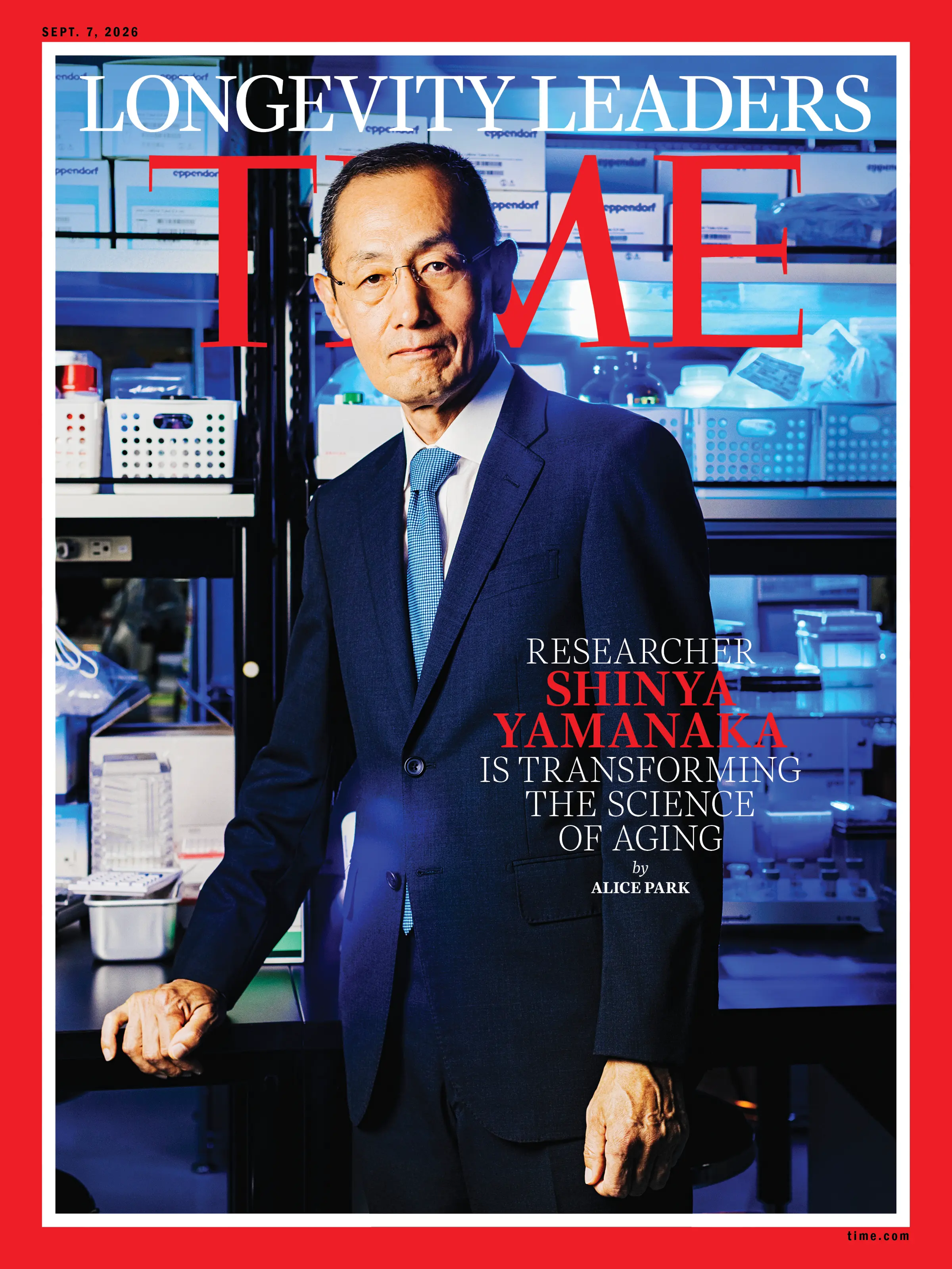
https://gladstone.org/people/shinya-yamanaka/
Shinya Yamanaka, MD, PhD
Gladstone Institute of Cardiovascular Disease
In 2006, Shinya Yamanaka discovered that adult somatic cells can be reprogrammed into an embryonic-like pluripotent state by delivering transcription factors. These reprogrammed cells, known as induced pluripotent stem (iPS) cells, have the potential to develop into every cell type in the body and are invaluable tools for disease modeling, drug screening, and cell therapy.
iPS cells also provide an unprecedented opportunity for discovery in life science, and in Yamanaka’s lab today, researchers continue to use them to investigate the mechanisms for cell fate determination, the reprogramming process, and pluripotency.
espacenet.com Advanced Search
Yamanaka Factors -- Patents
1. BRAIN-CELL SPECIFIC PARTIAL CELLULAR REPROGRAMMING TREATMENT AND PREVENTION METHODS FOR ALZHEIMER'S DISEASE AND PROGERIA, COMPOSITIONS THEREFORE, AND USES THEREOF -- AU2024364256
This disclosure relates to vectors, compositions, pharmaceutical compositions, and kits that provide for brain cell-specific expression of reprogramming genes such as the Yamanaka factors Oct4, Sox2, Klf4 and c-Myc (OSKM). Also provided are methods and uses comprising the same for treating Alzheimer' s disease and progeria through brain cell-specific expression of reprogramming genes such as OSKM.
2. Equal proportion transporting using exosomes of Yamanaka Factors and modelling technology business model -- KR20240150078 [ Transl. ]
Almost all types of normal cells can produce exosomes, including mesenchymal stem cells (MSCs) such as human umbilical vein endothelial cells, T cells, B cells, macrophages, dendritic cells (DCs), and natural killer (NK) cells. Exosomes have been extensively studied and are actively utilized in facility and machine automation. While they share the commonality of hand-like movements in mechatronics, their larger size allows for enhanced movement. A lipid membrane transporter composition containing Oct4, Sox2, and Klf4 in a specific ratio in exosome transport materials was developed from cells cultured in a petri dish, demonstrating potential for use in measuring the Reynolds number.
3. Novel fusion peptide that increases the gene transfer efficiency of Yamanaka factors showing reverse aging effects and its uses -- KR102683861 [ Transl. ]
The present invention relates to a novel fusion peptide with improved gene delivery efficiency and uses thereof. More specifically, the novel fusion peptide of the present invention is a novel fusion peptide in which a specific cell-penetrating peptide (CPP), a specific dna-binding domain (DBD), and a specific rna-binding domain (RBD) are fused. The present invention can deliver nucleic acids such as plasmid DNA, RNA, and the like into cells and vesicles with high delivery efficiency, and at this time, problems such as cytotoxicity, stability, price, and the like, which have been a problem due to existing problems, can also be alleviated, and by utilizing the vesicles and delivering them to specific cells and tissues to express the loaded genes in target cells and tissues, it can also be used as a novel therapeutic agent platform.
4. Method for researching reprogramming process regulated by DNA methylation -- CN113278686 [ Transl. ]
The invention relates to a method for researching reprogramming process regulated by DNA methylation. The method includes the following steps: step (1), adding a DNA methylase inhibitor 5'aza based on the induction of Yamanaka factors Oct4, Sox2, Klf4 and c-Myc, inducing somatic cells according to an inducing method provided by Shinya Yamanaka, and observing cellular morphology at different inducing days; step (2), when cell clone is observed, collecting cells to perform fluorescence quantitative detection, indirect immunofluorescence detection, alkaline phosphatase staining, karyotype analysis, and edu proliferation assay; and step (3), after determining an effect of the 5'aza, respectively combining four factors and the 5'aza to treat the somatic cells to perform induction, detecting the formation of ips clone, and determining the most effective combination form. Through the induction of different combinations of the Yamanaka factors and the DNA methylase inhibitor 5'aza, an effect of DNA methylation for inducing the reprogramming of the somatic cells can be verified.
5. NOVEL REPROGRAMMING METHOD -- US2022112468
The invention relates to methods of reprogramming a somatic cell comprising culturing the somatic cell in the presence of one or more Yamanaka factors and further culturing said somatic cell in the absence of said one or more Yamanaka factors. The invention further relates to a reprogrammed somatic cell produced according to the methods as defined herein. Also provided are cosmetic methods, cosmetic compositions, a reprogrammed somatic cell and compositions for use in treatment or rejuvenation, as well as methods for screening age modulating agents, factors and/or cellular processes, comprising the methods and a reprogrammed somatic cell as defined herein.
6. CYTOTOXIC T LYMPHOCYTES SPECIFIC FOR MUTATED FORMS OF EPIDERMAL GROWTH FACTOR RECEPTOR FOR USE IN TREATING CANCER -- US2022175899
Compositions, methods, and kits are provided for producing rejuvenated cytotoxic T cells (CTLs) specific for mutated neo-antigen epitopes expressed on cancerous cells, including epidermal growth factor receptor (EGFR) and KRAS neo-antigen epitopes. Antigenspecific CTLs are rejuvenated by reprogramming them into induced pluripotent stem cells (IPSCs) using Yamanaka factors and redifferentiating them back into CTLs while expanding their numbers. After redifferentiation, the IPSC-derived rejuvenated CTLs retain the antigen specificity of the original CTLs from which they were derived, but have the advantage of having longer telomeres and higher proliferative activity than the original CTLs. Pharmaceutical compositions comprising such IPSC-derived rejuvenated CTLs are useful for treating cancers expressing the mutated neo-antigen epitopes recognized by the original CTLs.
7. ENHANCED REPROGRAMMING OF SOMATIC CELLS -- US2021189352
A method of preparing a population of iPS cells including (i) expressing one or more Yamanaka factors selected from Oct3/4, Sox2, Klf4, Myc, Nanog and Lin28, and reducing the amount and/or activity of Menin (Men1) in a population of target cells, and (ii) optionally isolating the iPS cells from the target cell population; and a method of enhanced differentiation of a first cell into a somatic cell of a tissue of interest, including (i) treating a cell with a differentiation factor of the tissue of interest, and (ii) reducing the amount and/or activity of Menin (Men1) in a population of target cells.
8. Application of protein CREPT necessary for formation of pluripotent stem cells in inducing pluripotent stem cells -- CN109295000 [ Transl. ]
The invention discloses an application of a protein CREPT necessary for formation of pluripotent stem cells in inducing the pluripotent stem cells. The expression of the CREPT in fibroblasts is foundout to be reduced. The fibroblasts cannot be induced to form iPS cells by 4 Yamanaka factors. After the CREPT is expressed in cells that do not express the CREPT, the cells can be induced into iPS cells. The results indicate that the CREPT and a coding gene thereof can be used for regulating conversion of the cells into the iPS cells, can be used for preparing cell models that cannot be induced into pluripotent stem cells, and also can be used for preparing the iPS cells.
9. CELL REPROGRAMMING METHOD BASED ON THREE-DIMENSIONAL SYSTEM -- WO2017219232 [ Transl. ]
Provided is a cell reprogramming method based on a three-dimensional system. Cationic Pleurotus eryngii polysaccharide D-Sp, calcium phosphate and four plasmids encoding the Yamanaka factors are used as raw materials. Polysaccharide-calcium phosphate hybrid nanoparticles are prepared by using a reverse microemulsion method and are adsorbed to the inner surface of an empty collagen scaffold so as to obtain a three-dimensional gene-loaded nanoparticle-collagen scaffold. Human umbilical cord mesenchymal stem cells are inoculated to the three-dimensional gene-loaded nanoparticle-collagen scaffold for reprogramming so as to form induced pluripotent stem cell spheres.
10. METHOD FOR DIFFERENTIATING INDUCED PLURIPOTENT STEM CELLS, WHICH ARE PREPARED FROM ENDOCARDIUM-DERIVED ADULT STEM CELLS, INTO CARDIOVASCULAR CELLS, AND USE THEREOF -- US2018362929
The present invention relates to: a method for preparing induced pluripotent stem cells from endocardium-derived adult stem cells isolated from peripheral blood; a method for differentiating induced pluripotent stem cells, which are prepared by the method, into cardiovascular cells; and a use thereof. The endocardium-derived adult stem cells of the present invention, which are primary culture cells for preparing induced pluripotent stem cells, can be readily isolated and cultured only with a small amount of peripheral blood, have a high proliferation property so as to be storable without genetic variation, and can rapidly ensure a cell number so as to be usable in cell therapy. In addition, the endocardium-derived adult stem cells have stemness, thereby having high preparation efficiency, compared with that of conventionally used dermal fibroblasts, of induced pluripotent stem cell through the transduction of four types of Yamanaka factors, and are derived from the endocardium so as to have the epigenetic memory of cardiovascular cells, thereby having an advantage of being able to be differentiated, after preparing induced pluripotent stem cells, into cardiovascular cells such as endothelial cells, smooth muscle cells and cardiomyocytes with a high efficiency. Therefore, cardiovascular cells differentiated from the induced pluripotent stem cells can be used for: library screening for a therapeutic material for the development of an agent for treating cardiovascular diseases; and studying the mechanism of treating cardiovascular diseases, and are also expected to be widely applied in various fields such as those using the same as a cell therapeutic agent by directly manipulating and proliferating cells and re-injecting the same into a patient.
11. METHOD TO REDUCE ONCOGENIC POTENTIAL OF INDUCED PLURIPOTENT STEM CELLS FROM AGED DONORS -- US20240018485
Disclosed are findings that: (a) induced pluripotent stem cells derived from aged donors (A-iPSC) show increased genomic instability, a defect in apoptosis, a defect in glucose metabolism, and a blunted DNA damage response are compared to those derived from young donors (Y-iPSC); and (b) inhibition of excessive glutathione-mediated H202 scavenging activity, found to be associated with A-iPSC and in turn inhibiting DNA damage response and apoptosis, substantially rescues these defects and reduces the oncogenic potential of A-iPSC. Supplementation of pluripotency factor ZSCAN 10 (shown to be poorly activated in A-iPSC and to act upstream of glutathione involvement), e.g., by expression as an adjunct to the four Yamanaka iPSC reprogramming factors, led to substantial recovery of genomic stability, DNA damage response, and apoptosis in A-iPSC through enhancing GLUT3 and normalizing homeostasis of glutathione/H202; GLUT3 (a pluripotent stem cell-specific glucose transporter acting upstream of glutathione and also poorly activated in A-iPSC) has similar effects, indicating that inhibition of glutathione/H202 notably through delivery of ZSCAN 10 and/or GLUT3 and/or an exosome subunit will be clinically useful, resulting in A-iPSC of improved properties and reduced oncogenic potential.
12. METHOD FOR CONTROLLING EXPRESSION OF TARGET GENE -- JP2014042493
[ Transl. ]
PROBLEM TO BE SOLVED: To provide an effective and safe means to selectively and temporarily activate expression of a specific gene and provide a method for inducing effective and safe stem cell differentiation indispensable for regenerative medicine by using the gene expression activating means, and a method for establishing iPS cells.SOLUTION: Provided is an oligonucleotide (gene-jack oligonucleotide) comprised of a single-stranded oligonucleotide homologous to part of an upstream region of a target gene and a double-stranded transcription factor-binding domain linked together by a linker. By introducing the gene-jack oligonucleotide into a cell, the target gene is selectively and effectively expressed with swift disappearance of expression. By using the gene-jack oligonucleotide for expression of a transcription factor that determines the direction of stem cell differentiation, we succeeded in differentiation into a specified organ cell. Also by using the gene-jack oligonucleotides for expression of Yamanaka factors(Oct3/4, Sox2, KLF4 and c-Myc) which is necessary for establishing iPs cells, the undifferentiation marker was successfully induced and expressed.